A photoshoot, minus the studio

  1. Drop in a product photo

    Upload any shot or pull one from your catalog. The studio locks your exact product, its logo, label, color and stitching, so nothing drifts.

  2. Pick the shot and the cast

    Choose from 110 shot recipes and reusable character sheets, or let Vibiz choose a cast for human shots.

  3. Generate the set

    On-brand shots render in seconds and land in your gallery, ready for your product pages, ads and social feed.

One product, a different shoot

Drag to compare the source photo with the finished on-model, UGC or lifestyle shot. Choose another product to see its transformation.

Catalog top after, On-model fit
Catalog top before, source product
BeforeAfter

Drag to compare · Catalog top → On-model fit

Every shot starts from your real product and ends as a finished campaign frame. Tap a product to see the same transformation across tees, sneakers, beauty, bags, eyewear and more.

Product-led creatives made in Vibiz

Real customer ads from their Vibiz workspaces, with the business credited on every tile.

One photo in, a whole shoot out

Drop a single product photo and get packshots, on-model fits, UGC and lifestyle scenes in one workspace. Build a set for your product page, then reuse it in your ads and social feed.

  • Packshots, on-model fits and lifestyle scenes
  • Square, portrait, story and landscape frames
  • One product reference throughout

A cast that stays consistent

Pick a model once and reuse the same face across the shoot, so your catalog feels like one campaign. Change the setting, pose or shot while keeping the product and cast.

  • Reusable models and creators
  • 110 shot recipes
  • Edit the result by describing the change
TheTailClawShopPet gear

How TheTailClawShop posted on Instagram on day one

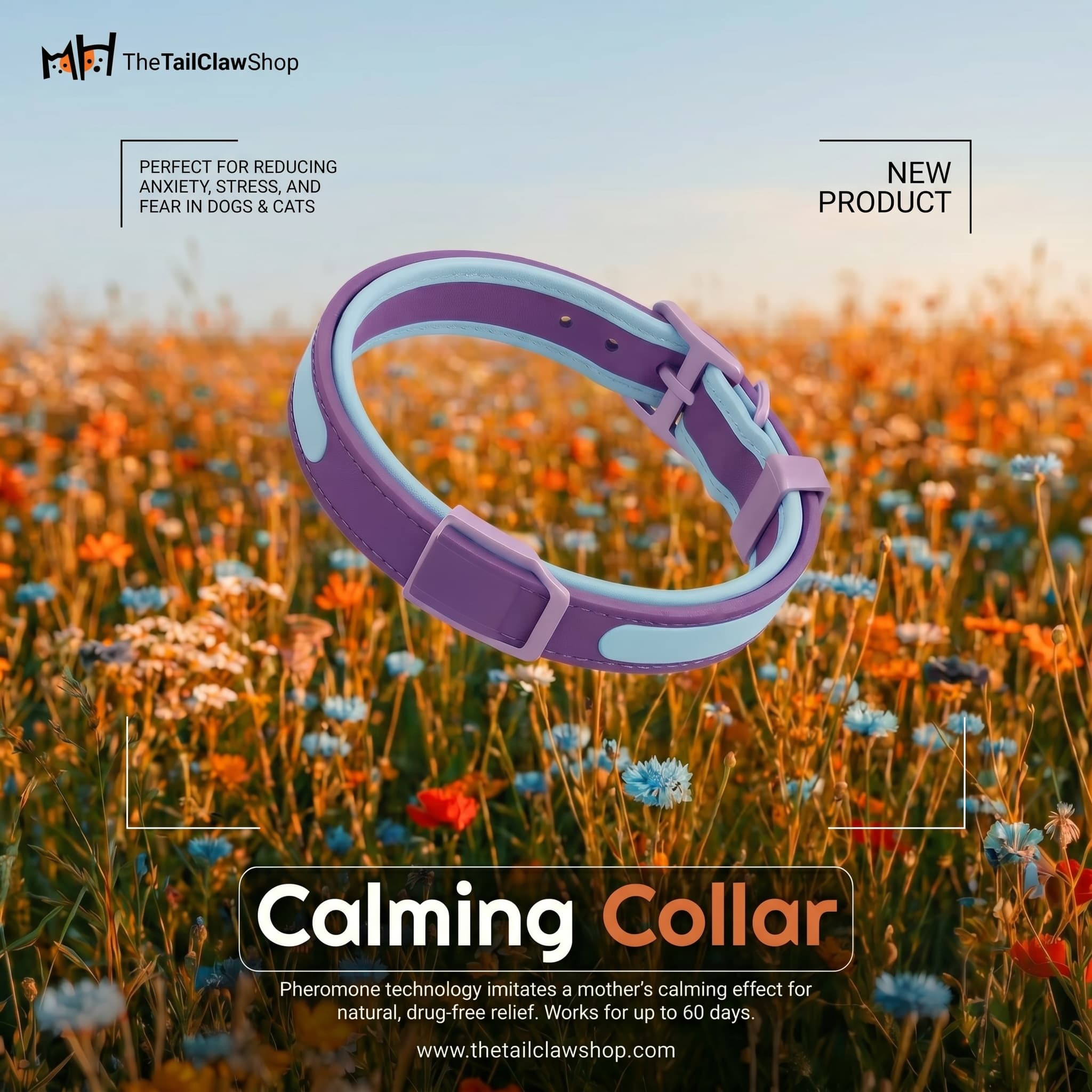
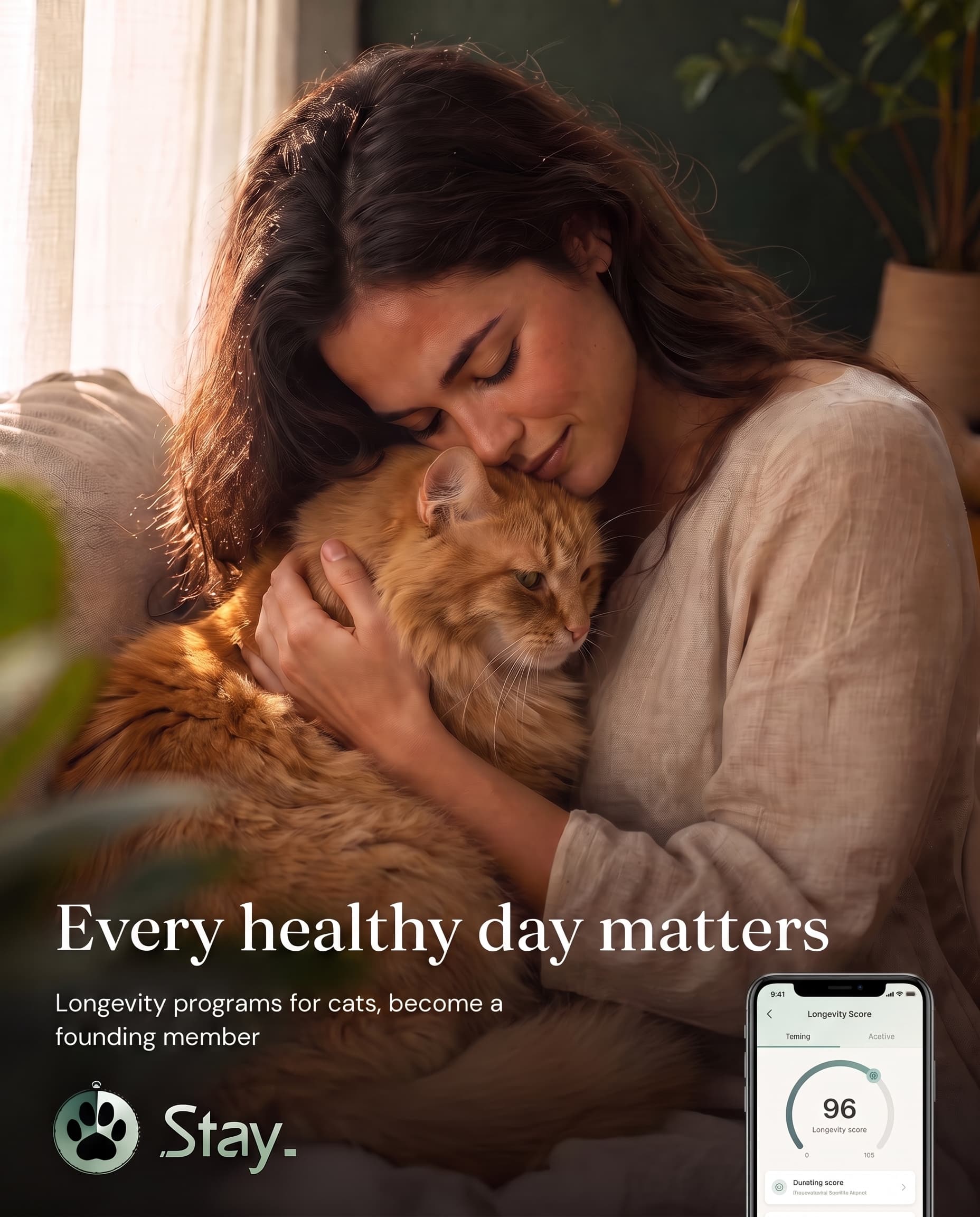
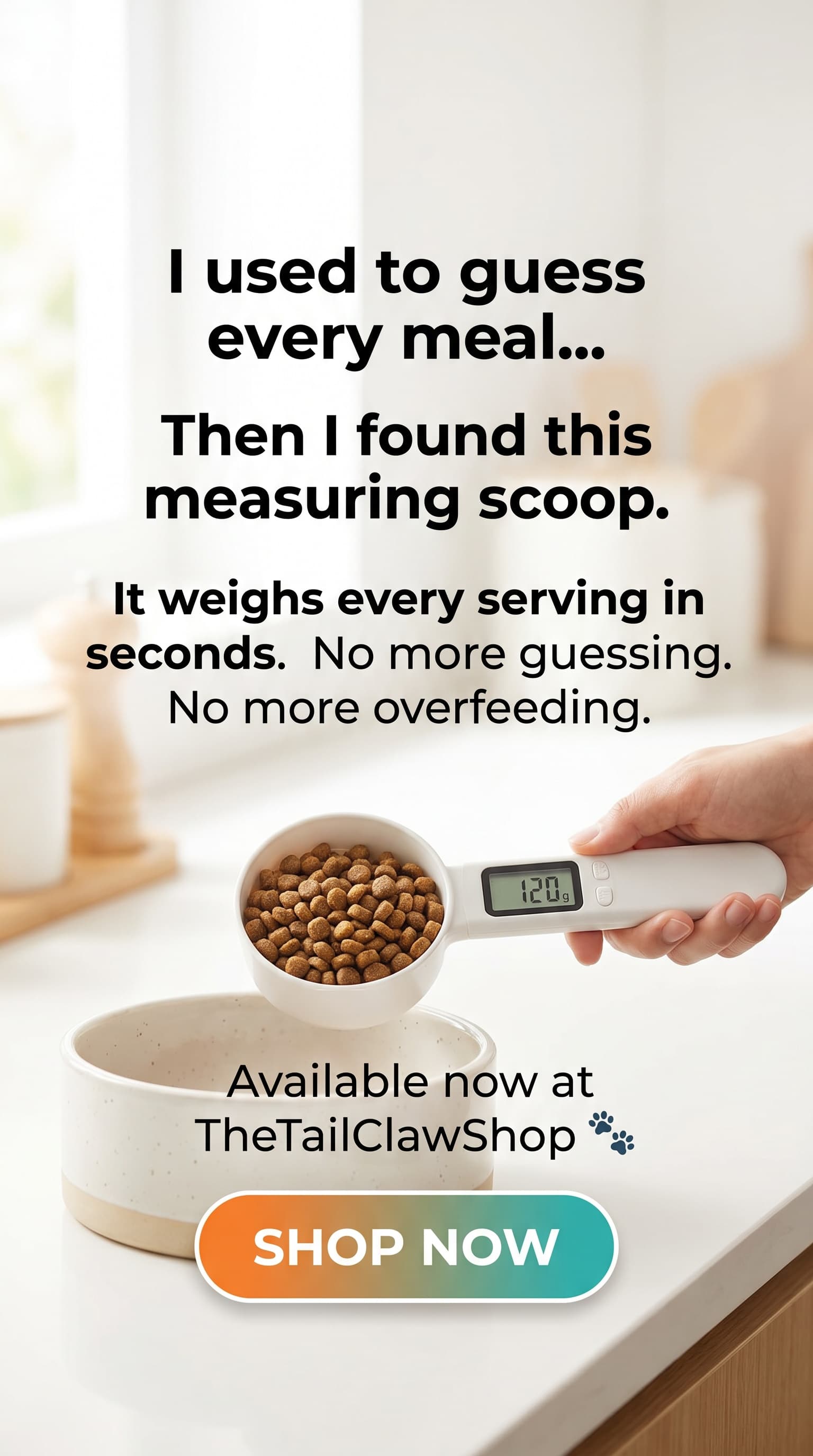
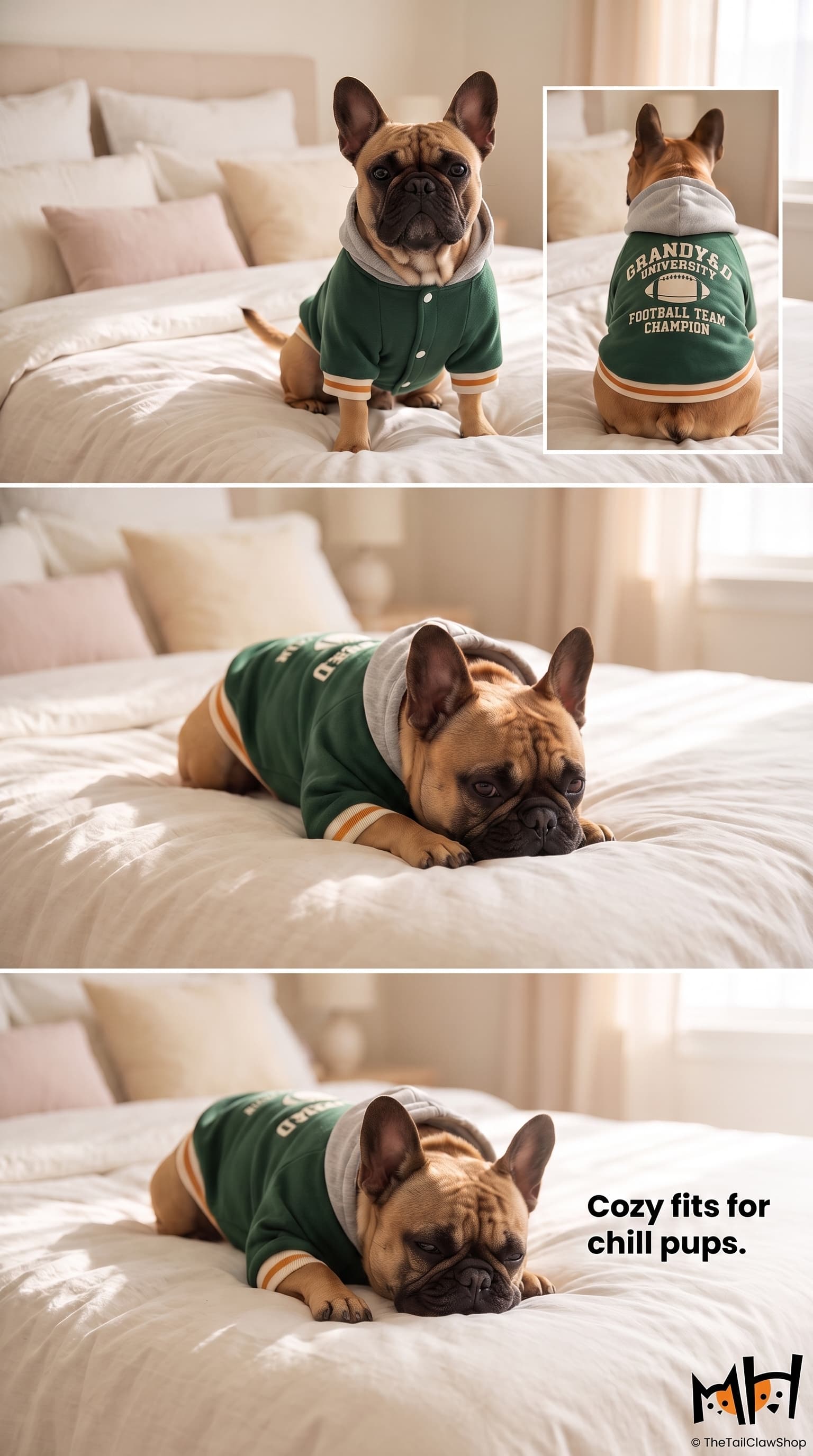
TheTailClawShop sells gear for dogs and cats, from reflective raincoats with a built-in harness to harness and leash sets. On June 2, 2026, the day it created its Vibiz workspace, it made its first creatives and published its first Instagram post. Over the next four months it made 35 creatives, 9 of them video, and published 7 posts, all from the products already in its store.

creatives made in Vibiz
35
posts published
7
first creative
Day 1

How to turn one product photo into a shoot

Start with a photo from your catalog or upload a product reference, then choose the shot, model when relevant, and aspect ratio. Use a clear source image that shows the details a buyer will expect to receive.

In the before-and-after demo, choose Hoodie to compare a flat product photo with an on-model UGC-style image. Look for the pink fabric, white zipper and drawstrings, and lightning-bolt detail in both. The source and result give you something specific to inspect before trying your own product.

A worked brief: one hoodie, three uses

Here is a shoot plan to adapt for your own hoodie. The demo shows the on-model transformation; the other shots below are suggested briefs, not additional results from that demo.

UseShot to chooseDirection to give
Product-page catalog imagePackshot/CatalogShow the front on a plain background with the whole garment visible. Keep the zipper, drawstrings and chest detail.
Worn lifestyle imageModel/On-body or Influencer/UGCShow the hoodie worn in an everyday setting. Keep the product details visible; reuse the selected model for the next human shot.
Paid social creativeUse an approved shot in the AI ad generatorAdd one headline and a call to action, leaving the hoodie easy to see. Use the same product and offer as the destination page.

Generate the product shots in Product Studio, then use an accepted image as the reference for the ad. A catalog image explains what is for sale; the ad adds the reason to click.

What should I check before publishing?

Compare each result with the source at full size. Check color, markings, fastenings, seams and product proportions, then inspect the crop at the size customers will see. If the source does not show the back or an important detail, supply another product view rather than relying on the model to guess it. Keep a real detail photo when it is needed to show exactly what a buyer receives.

Judge the shoot by the images you would publish. For a practical way to compare costs, use the AI product photography cost guide, which explains cost per accepted image alongside traditional photography rates.

What product categories does it support?

Apparel, footwear, accessories, jewelry, beauty, food and beverage, home goods, electronics, pets, automotive, outdoor gear, tools and health and wellness, with dozens of shot types tuned per category.

What formats and resolutions can I export?

Square, portrait, story and landscape frames are generated with GPT Image 2 Medium for product pages, ads and social feeds.

From the product page to the ad

Use the same product imagery in AI UGC videos, recreate an ad from a reference, or make a campaign with the AI ad generator. For a step-by-step guide to the formats and channels, read product ads.

From the blog

Every article

What it costs

Pro is $79 a month, or $63 a month billed yearly . Ultra is $229 a month . Every plan is paid, and there is no trial.

When Vibiz runs your ads, the budget goes from your own ad account to Meta or Google and Vibiz adds a fee on it, for example $6 a day on a $30 daily budget. The fee is shown next to the budget before you approve.

See what each plan includes

Product photography questions, answered

Bring one product photo. Leave with a campaign.