AI creators that fit the product, or your own face
Pick from 11 creator presets by age, setting and energy, or upload a clip of yourself or a creator you have rights to and keep the person while the script changes. The product stays yours in every frame: Vibiz composites the real packshot instead of inventing one, so the bottle, the label and the colors match what arrives in the box.
11 presets, or your own creator
Real product, never a hallucinated one
Same creator across a whole campaign
Made in Vibiz for The Tooth Pixie
Captions, music and formats done for you
Every video ships with burned-in captions in your brand style, in the language of your site, with a music bed and the three formats the placements need: 9:16 for Reels and Stories, 1:1 for feed, 16:9 for YouTube. Download all of them, send them straight to a Meta campaign, or post the vertical cut to TikTok as an organic post.
Captions in your brand style and language
9:16, 1:1 and 16:9 from one render
Music and sound effects included
Made in Vibiz for Locks by Afro
Hooks written from your product, not a template
Vibiz reads your site and your reviews, then writes the hook, the body and the call to action in your tone. Each variant opens differently: a problem, a result, a comparison, a before and after. You see the scripts before anything is filmed, and when a hook works in the ad account, the next batch starts from it.
Multiple hook angles per product
Edit a line by describing the change
Winning hooks feed the next batch
From render to live ad in the same workspace
Connect your Meta ad account and Vibiz builds the campaign around the videos: audiences, budget, placements, copy for up to three segments. Google Search and Display campaigns run from the same workspace. The service fee on ad budget is shown before you approve, and results flow back so the next batch tests what the first one learned.
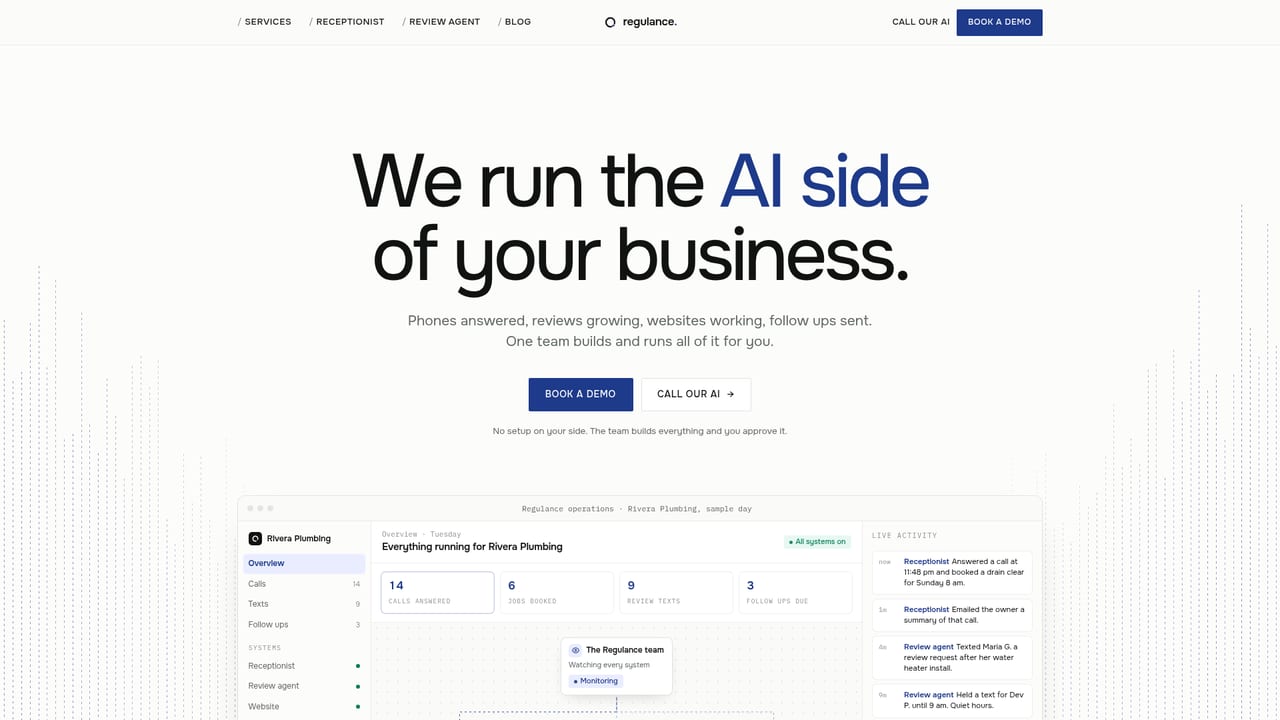
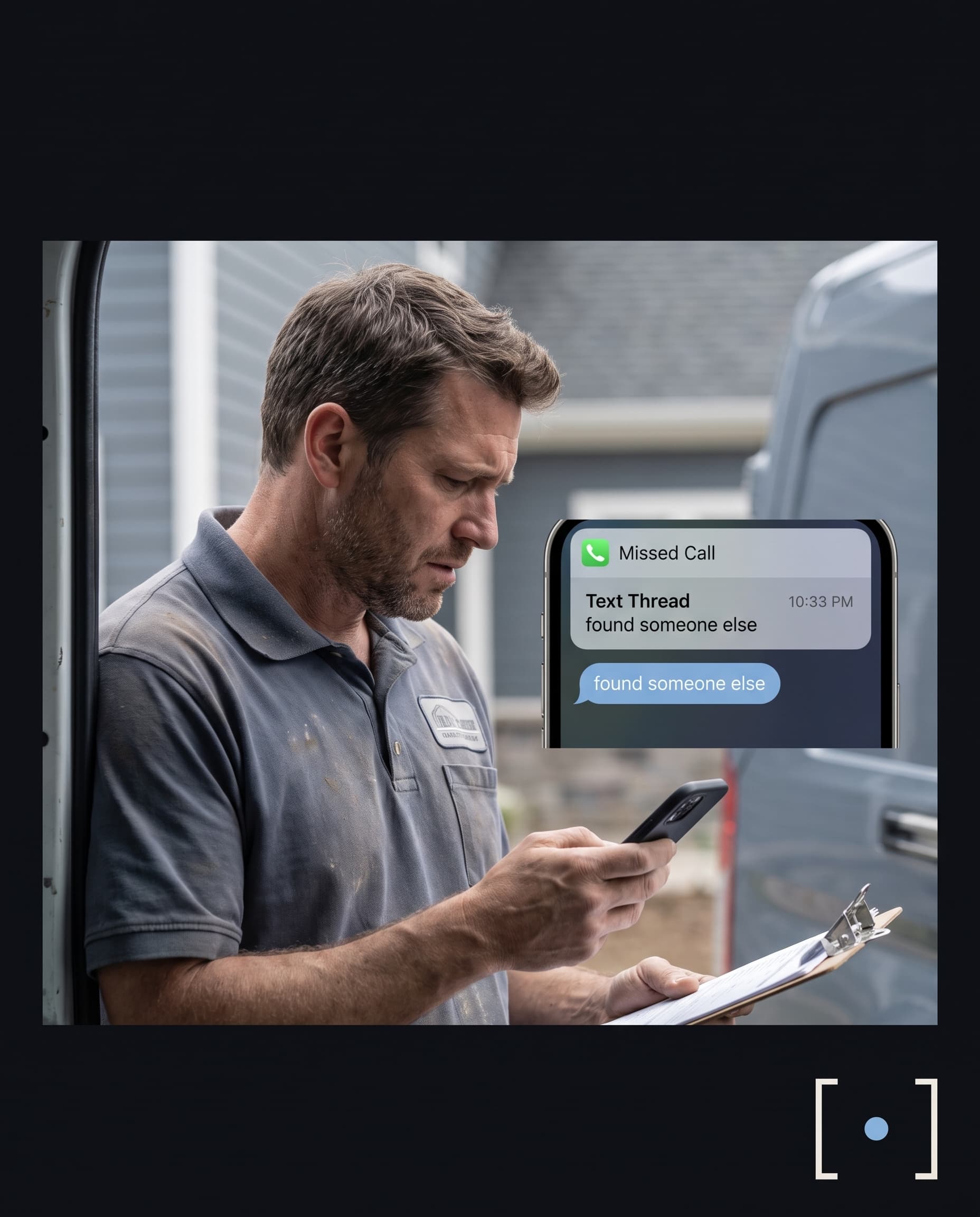
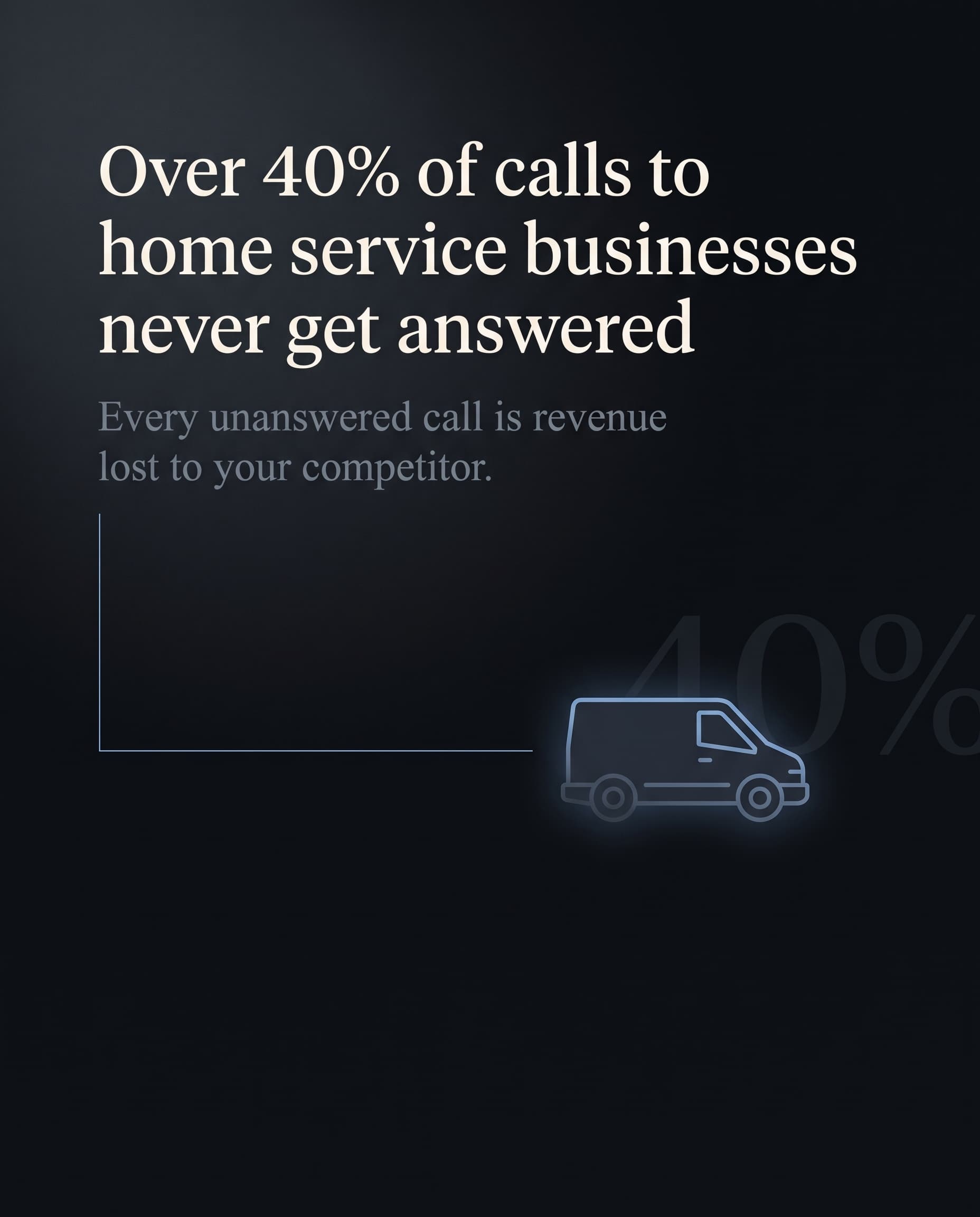
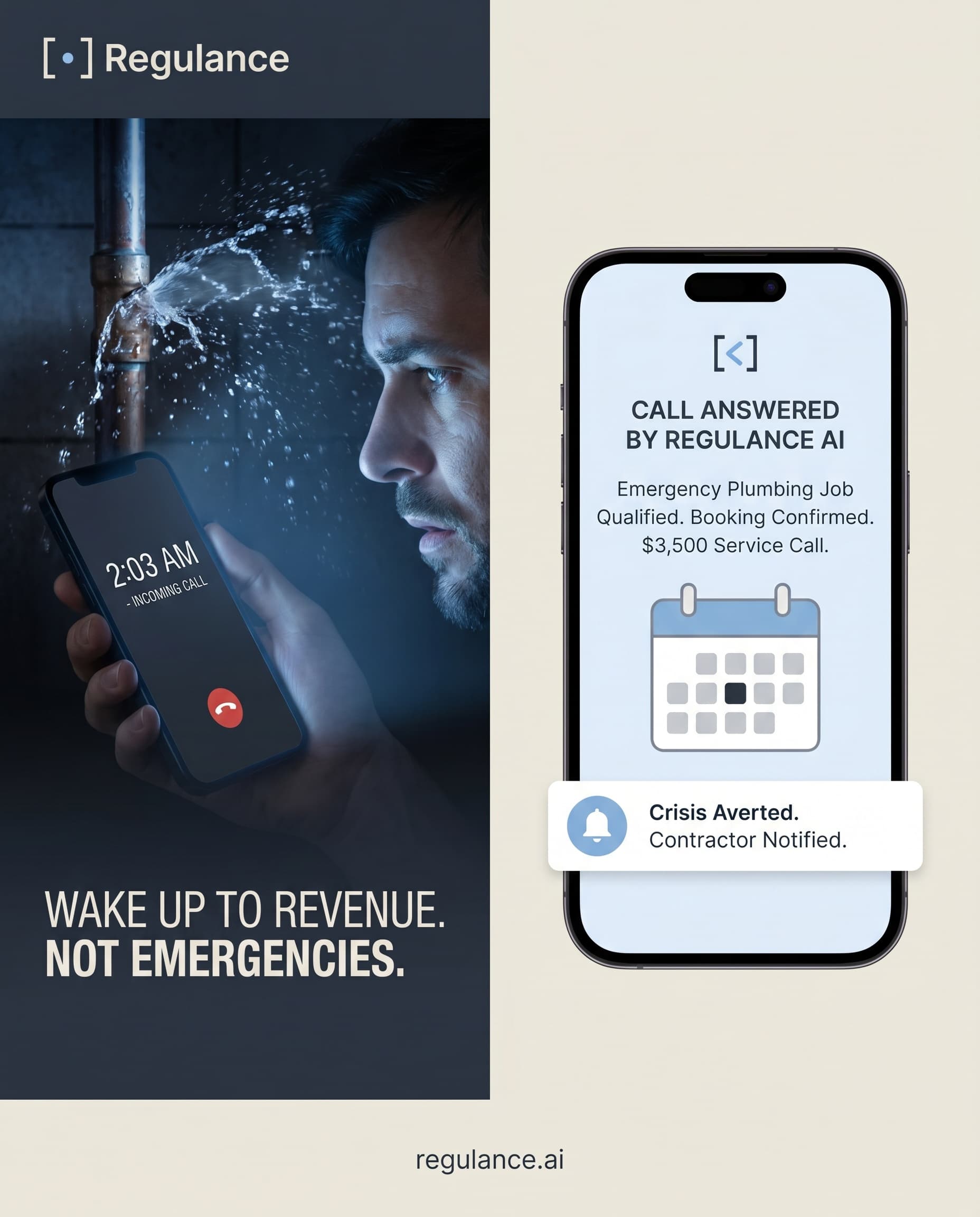
Regulance sells a 24/7 AI receptionist that answers calls, qualifies callers and books appointments for service businesses. It created its Vibiz workspace on June 12, 2026, and two days later it had a page live, its first Instagram post out and its first Meta ads running. It launched 25 ads in 2 campaigns in June and kept making creatives for four months: 141 in all, 38 of them video.
UGC ads (user-generated content ads) are paid social ads made to look like a customer filmed them on a phone: someone holding the product and talking to the camera, in a kitchen or a car rather than a studio. The brand runs the video from its own ad account. The format works because it reads as a recommendation instead of a commercial. In Emplifi's Q1 2026 benchmarks, brands using its UGC tools saw conversion rates 6.73x higher on UGC than on other content.
Most UGC ads today are not filmed by customers. A paid creator shoots one from a brief, or AI makes one from your product.
They are also not influencer ads. Influencer marketing pays for a creator's audience, and the post lives on their channel. A UGC ad pays for the video itself, which you run from your own ad account, so the creator doesn't need followers.
AI UGC ads are creator-style videos made with AI: a presenter, a product demonstration or a short script designed for the social feed. In Vibiz, you start with your website and product assets, choose an angle, review the script and generate the video. You can then prepare and approve a Meta campaign in the same workspace.
Rates move with niche and experience: what a UGC ad costs compares five 2026 rate guides. The routes also combine. Test hooks with AI, then pay a creator to film the winning angle.
Names a frustration, then shows the product fixing it
The problem is easy to recognize in a few seconds
Demonstration
Shows the product working from start to finish
What it does is the selling point
Before and after
Shows the result, then how it happened
The change is visible and you can back it up
Comparison
Puts the product next to the usual option
Buyers already use something else
Routine
Shows the product in a normal day
People use it again and again
Testimonial
A real customer says why they bought
A customer is willing to say it on camera
An AI presenter can demonstrate, explain and compare. A testimonial has to come from a real customer: the FTC's 2024 rule bans fake testimonials, including AI-generated ones. For finished ads and the briefs behind them, see 10 UGC ad examples.
Plan for a batch, not one video. UGC-style creatives tend to fatigue within 10 to 14 days, so you need new openings ready to rotate in. Test several hooks on the same product and message, then build the next batch from the one that worked.
Be specific about the buyer, the product and the next step. For a folding travel bag, an example brief is:
Make a creator-style video for travelers who need an extra bag on the way home. Use my uploaded product image. Open with the bag folding into its pocket, explain that it packs away when unused, and end with “See the bag and available colors.” Use the product details from my site and a conversational voice.
Then test a problem-led opening against a demonstration-led opening. Keep the product, main message and destination the same so you can learn which opening helped. These are example scripts; replace the product and benefit with your own.
Paste your website. Vibiz extracts the brand kit: logo, colors, tone of voice, products and the proof points from your reviews.
Pick a product and an angle. The agent proposes hooks: a problem, a result, a comparison, a routine. You keep the ones you like or write your own.
Choose the creator. One of 11 presets, or a clip of your own creator. The product in frame is your real packshot.
Review the scripts, then render. Edit any line by describing the change. Rendering takes minutes, captions and formats included.
Launch on Meta. Build the campaign from the videos, approve the budget and fee, and read the results in the workspace. Google Search and Display campaigns have their own creative requirements.
Regulance, an AI receptionist for service businesses, made 38 videos as part of 141 creatives between June and October 2026. Many show a presenter explaining what happens when a customer calls after hours. It also launched 25 Meta ads in two campaigns in June. The story shows the videos and publishing timeline; the 25 ads are the campaign total, not a count of video ads alone.
The useful pattern is concrete: explain one situation your buyer recognizes, show how the product fits, and give them one next step. Browse more UGC ad examples to choose a format for your business, or product ad examples for static ads made from a product photo.
Watch the video on a phone with sound both on and off. Check the product image, spoken words, captions and final destination. A service ad should explain the offer clearly even when there is no physical product to hold up.
Keep production cost and media spend separate. Video generation uses your plan allowance; the ad account budget and Vibiz service fee are shown when you prepare the campaign. See UGC ad costs for the cost categories and how to make UGC ads with AI for a longer walkthrough.
If you sell a service that lives on the person, such as coaching, or your audience knows your creators by name, keep filming with them. Use Vibiz to multiply their best clip into ten hooks instead of asking for ten shoots. For a product that sells on what it does, the AI version tests more angles for less and the winning one can always be reshot by a human later.
Draft opening lines for your video brief with the free ad hook generator.
How 3,015 small businesses made 51,617 ads, videos and product photos with AI from July to October 2026: who they are, what they made and how they started.
Review an ad for offer clarity, readable design, credible proof and landing-page consistency, with a worked example and a repeatable revision checklist.
Work through a practical ad test budget using order value, variable costs and target acquisition cost, then decide what your first test can tell you.
What it costs
Pro is $79 a month, or $63 a month billed yearly . Ultra is $229 a month . Every plan is paid, and there is no trial.
When Vibiz runs your ads, the budget goes from your own ad account to Meta or Google and Vibiz adds a fee on it, for example $6 a day on a $30 daily budget. The fee is shown next to the budget before you approve.
A video uses more of the monthly allowance than a static ad, and every plan includes video generation and the launch on Meta and Google.
A UGC ad is a video that looks like a customer filmed it: someone holding the product, talking to the camera, in a kitchen or a car, not a studio. The format works in Meta ads because it reads as a recommendation instead of a commercial. AI UGC keeps the format and replaces the filming.
A human creator charges $150 to $500 per video in 2026, plus product shipping and a two week turnaround, and most brands need five to ten variants to find a hook that works. Vibiz Pro is $79 a month, or $63 a month billed yearly, for 250 generations, so a batch of ten UGC variants costs a fraction of one creator video.
In Stackmatix's 2026 benchmarks across roughly 300 brands, AI UGC ads ran 15% higher click-through and 8% lower cost per acquisition than human creator UGC. The gap closes when the AI version looks fake, so brand fidelity and natural scripts matter more than the avatar itself.
Yes. Upload a clip of yourself or a creator you have rights to and Vibiz keeps the person and changes the script, the hook or the product. You can also start from a real customer video and generate variants that match it.
Vibiz launches the finished videos as Meta ads on Facebook and Instagram, with the service fee on ad budget shown before you approve. Google campaigns from Vibiz are Search and Display. You can download every video, including the 16:9 cut, and post it anywhere. TikTok, LinkedIn and X are organic posts only; paid campaigns run on Meta and Google.
No. Vibiz has no free plan and no free trial. Paste your URL and you see your brand kit and a starter creative pack before subscribing, so you know what the videos will look like for your product before paying. Plans start at $79 a month, or $63 a month billed yearly, and include video generation plus campaign launch on Meta and Google.










 RegulanceAI receptionist software