Vibiz reads your site for the logo, colors, fonts, tone of voice and products. Everything it makes after that starts from them.
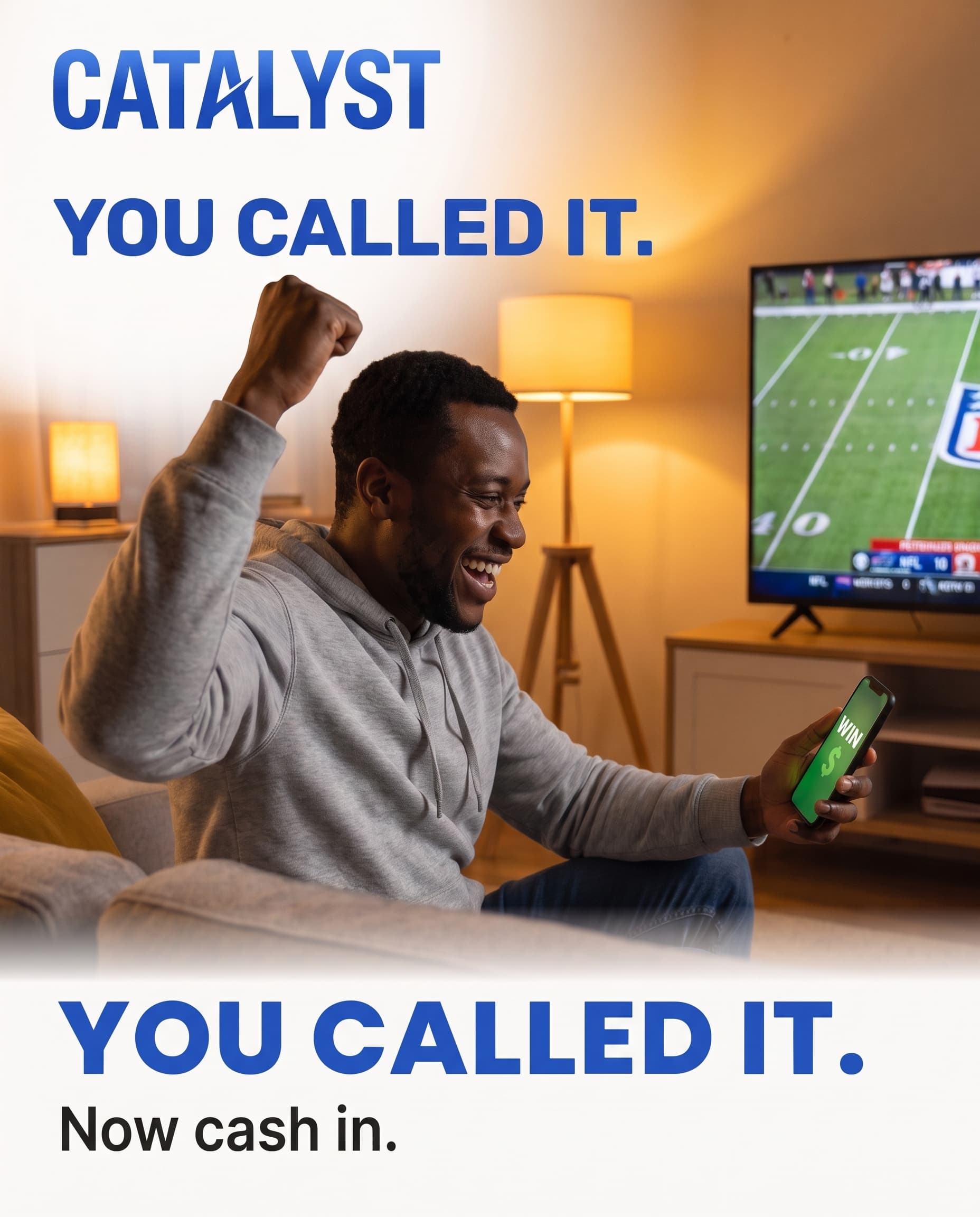
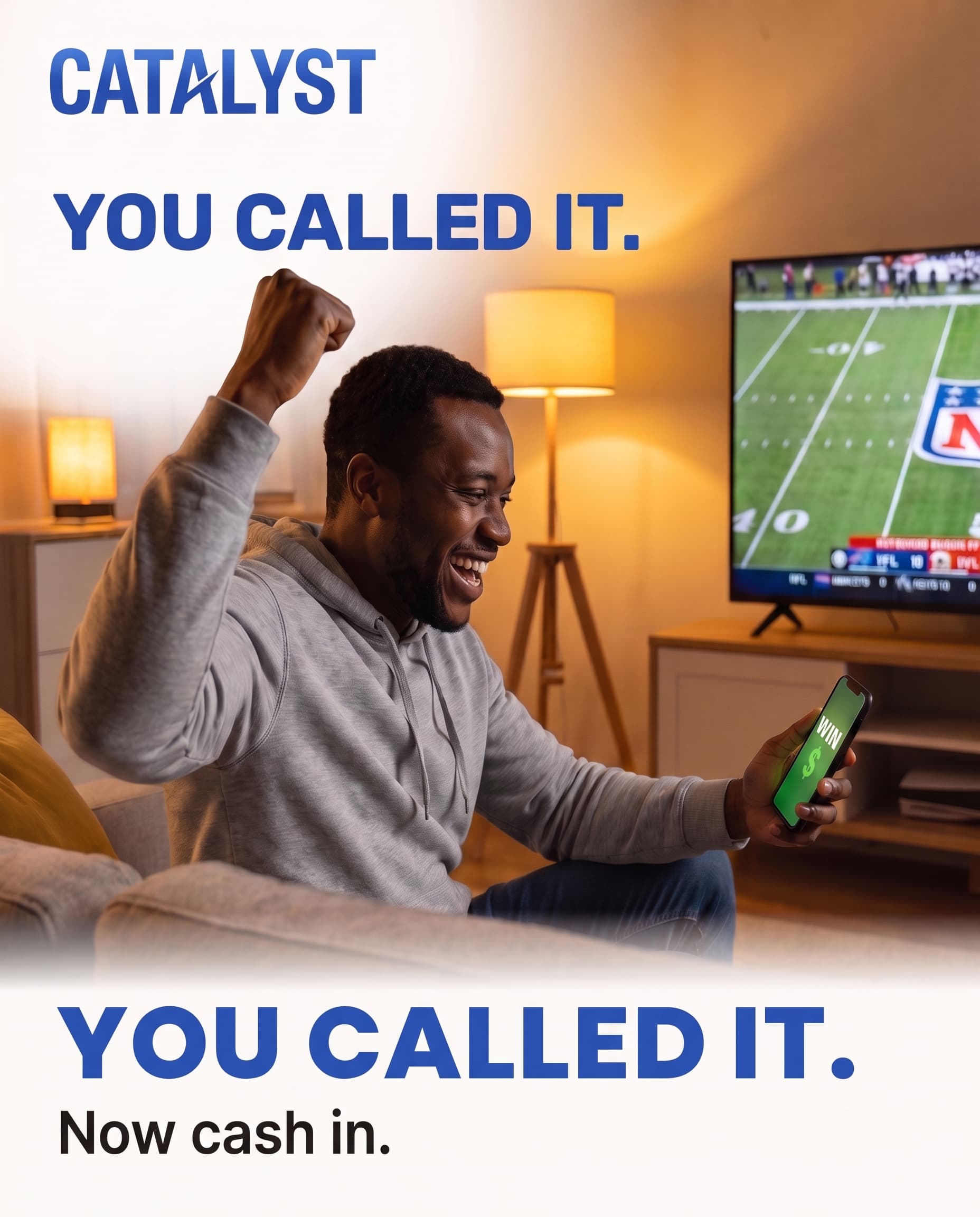
Ads made in Vibiz for Catalyst
A batch of ads in your brand
Statics, carousels and videos come out together, with the headline and the copy written in. Change any of them by describing the change.
Ran on Meta
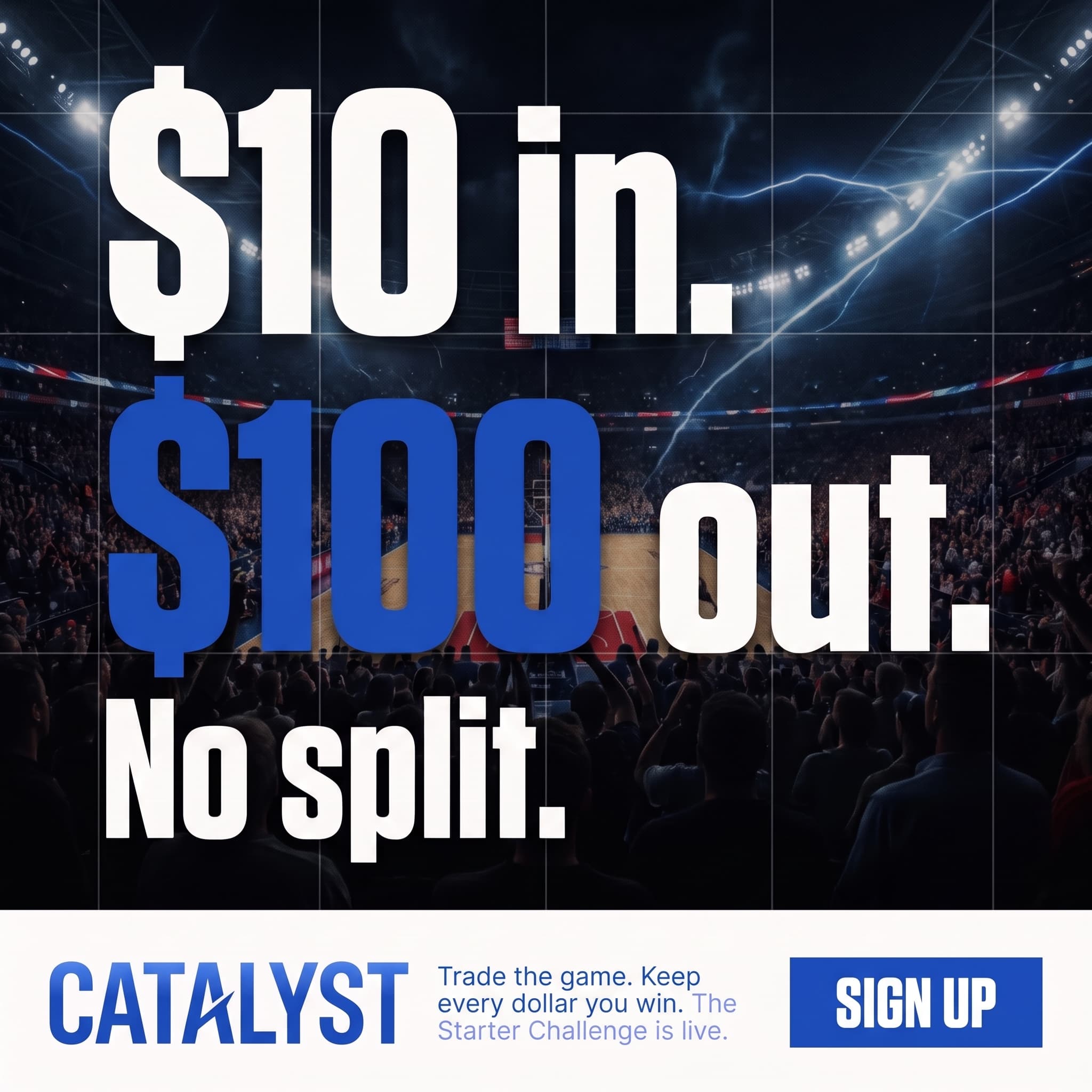
An ad for Catalyst that ran on Meta
Live on Meta or Google
Approve the budget and the fee, and the campaign runs from your own ad account. Vibiz reads the results and makes the next batch from what worked.
Ad types it makes
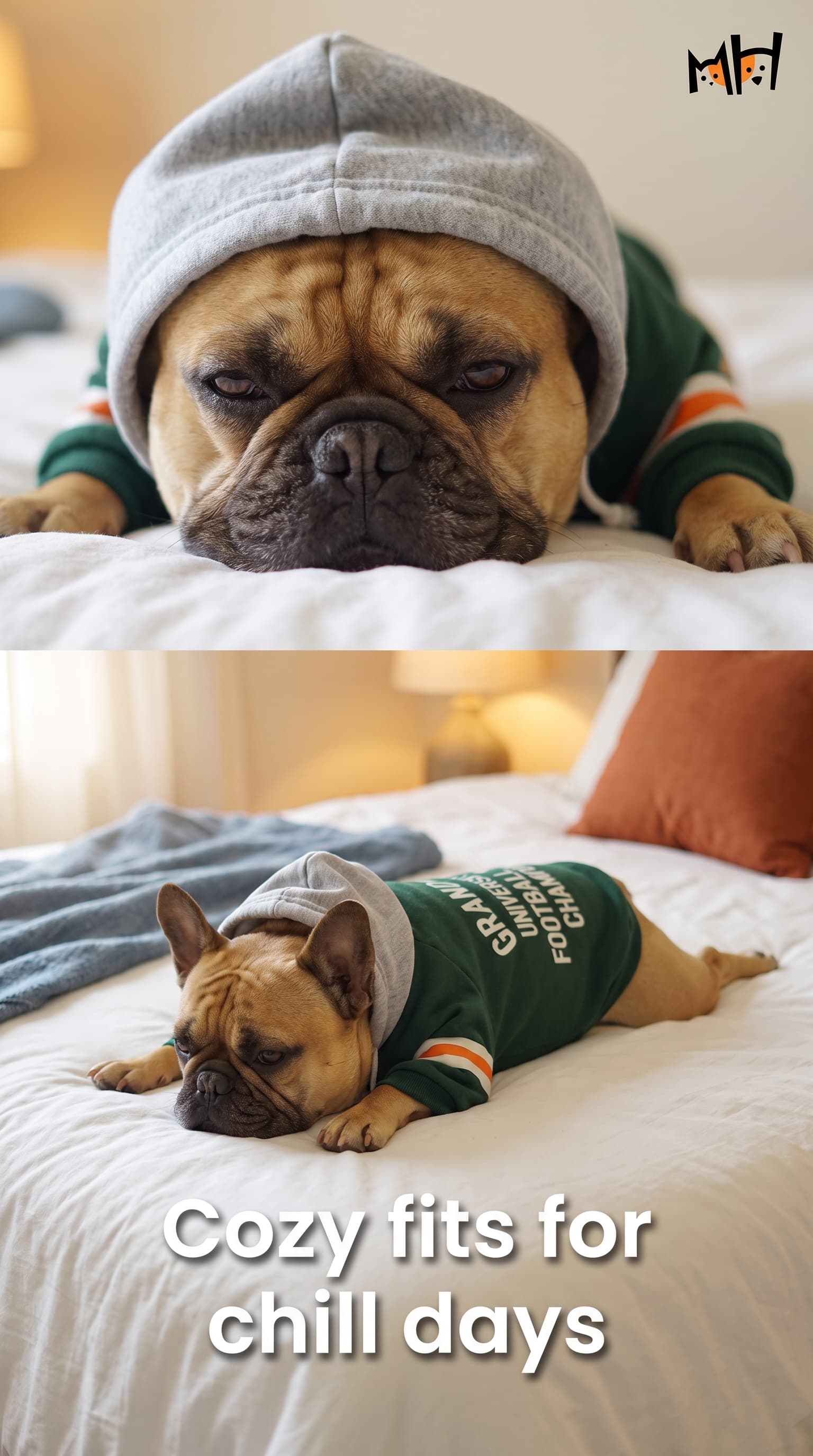
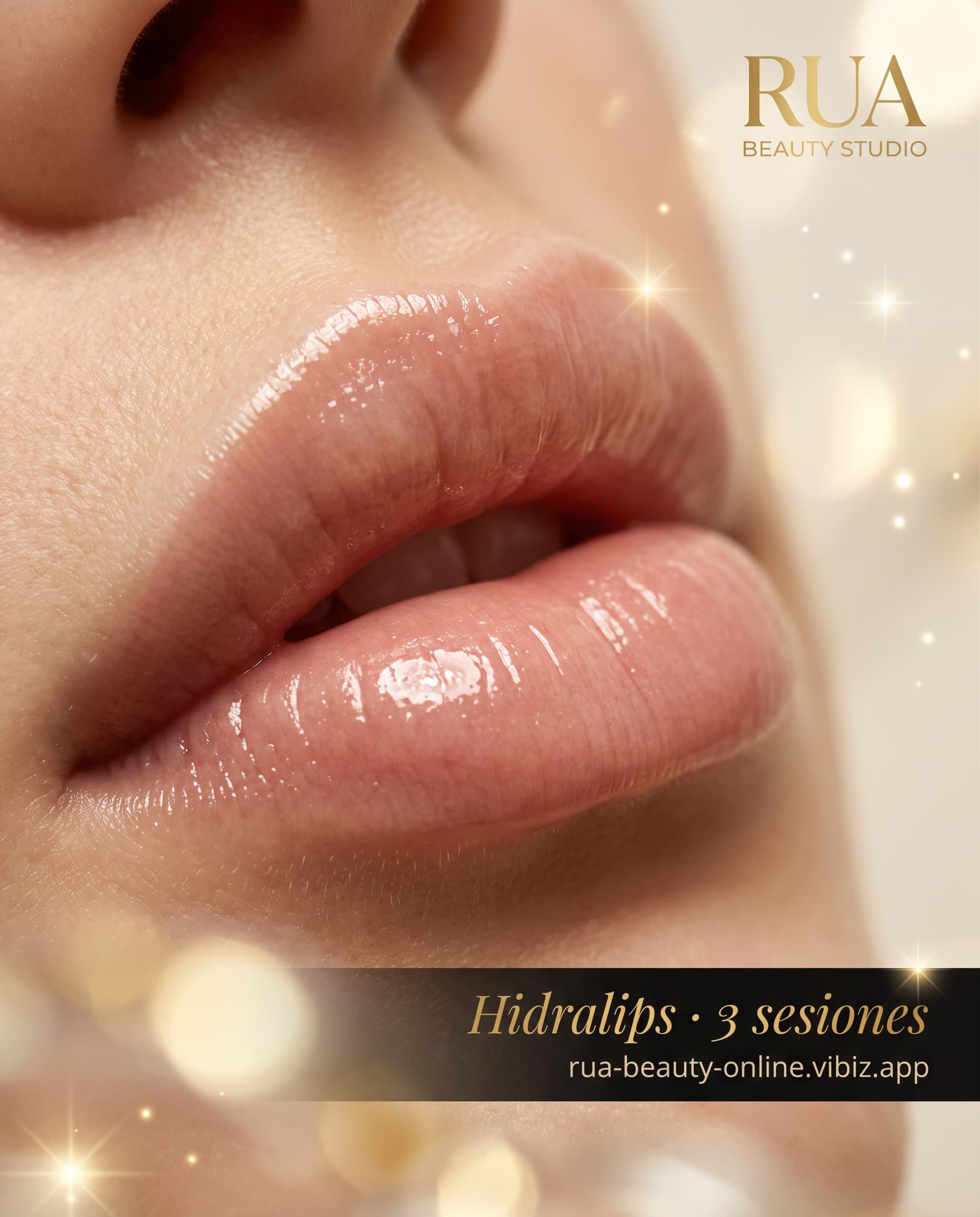
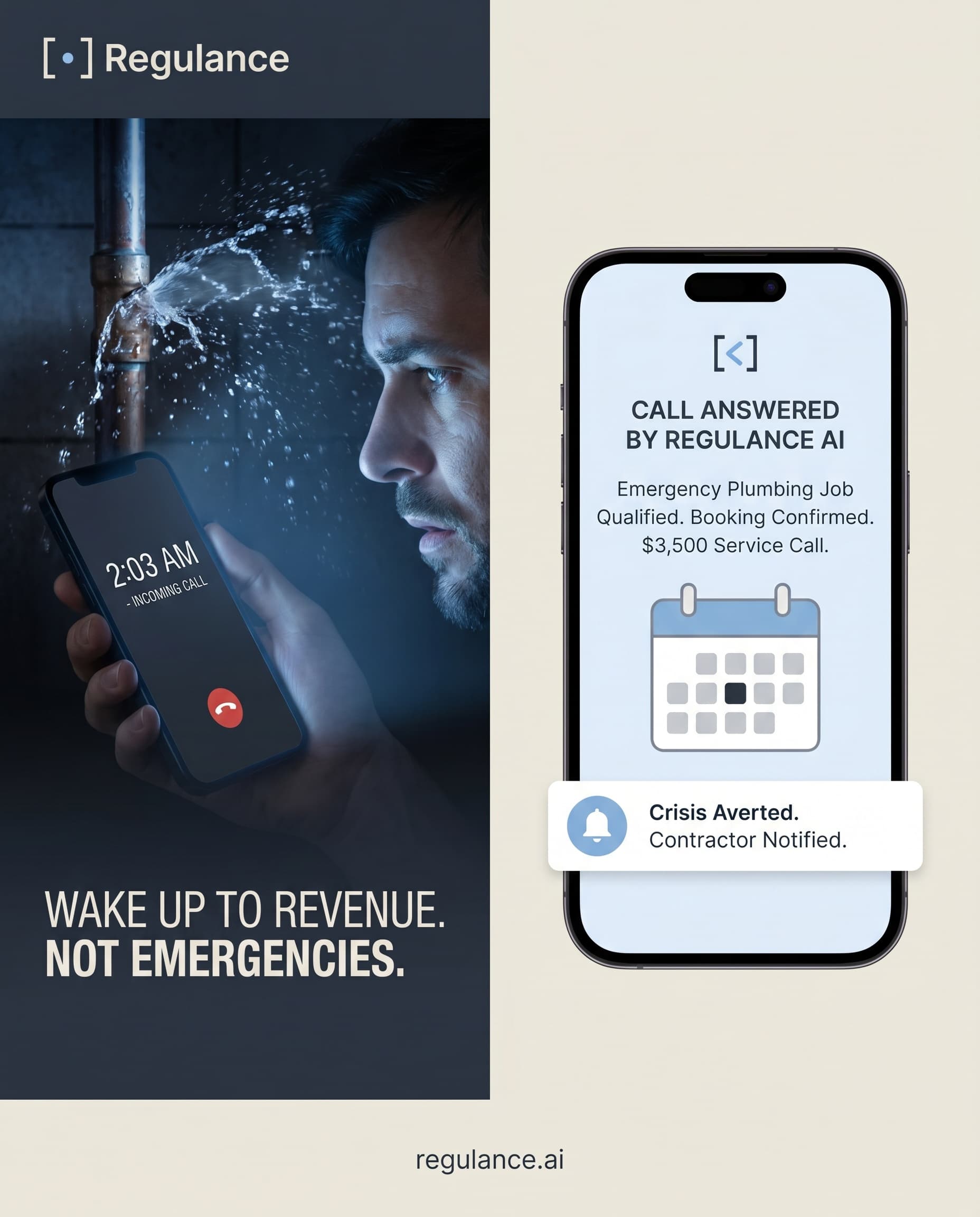
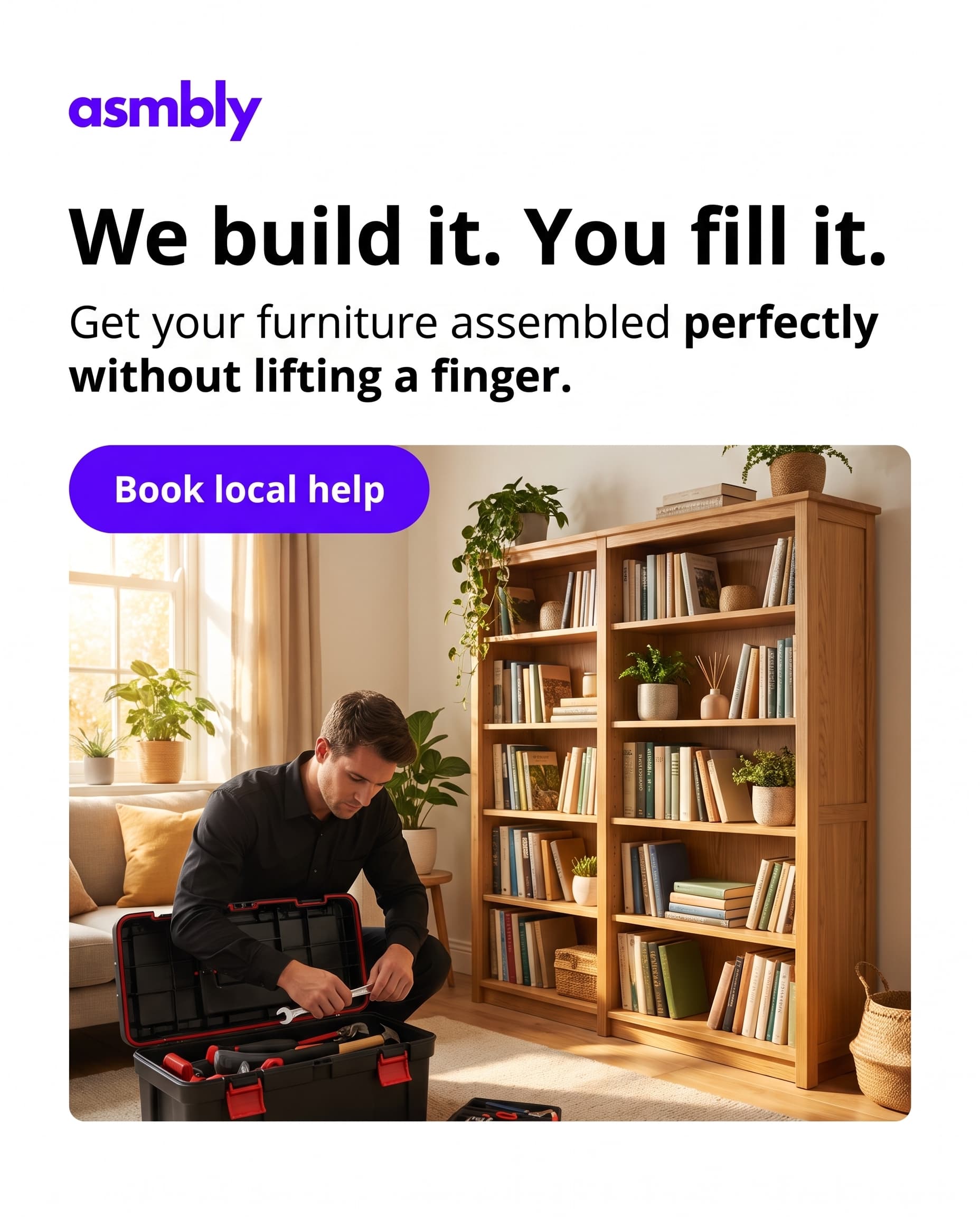
Every ad below came out of a customer's Vibiz workspace, made from the brand kit Vibiz built from its website. Each tile is labelled with the business.
Your logo, one headline and a hero visual on your brand colors; a packshot of the real product with one benefit under it; the product in a real setting; or three benefits spelled out. Each comes out sized for feeds, Stories and Reels, and carousels follow the look of their first slide.
A price, a launch or a limited offer written into the creative itself. Save your offers in the workspace once and every new ad can use them, in the language your customers speak.
A person on camera talks about the product the way a customer would, with captions added. Pick one of 11 presets or bring a creator of your own, then test several hooks on the same product before you choose one to scale.
A presenter explains the offer to camera: what it is, who it is for and what to do next. It fits services and software, where there is no product to hold up, and the script changes with a text edit instead of a reshoot.
Give Vibiz your URL and it extracts your logo, colors, tone of voice and products before generating a single pixel. From there it produces static ads, carousels and vertical video in 10 aspect ratios, sized for Facebook and Instagram feeds, Stories and Reels. Each variant stays editable: describe the change in a sentence and the AI applies it, and the original is kept.
Generate creator-style UGC videos, spokesperson clips and product commercials from the same brand input. Pick from 11 UGC presets, add captions automatically, and turn a single product photo into a 360° spin video. Testing ten hooks costs you a batch run, where a creator roster would cost you a month. When a hook lands, change the script or the spokesperson with a text edit instead of a reshoot.
UGC-style and spokesperson videos
360° product-spin videos from a photo
Multiple hooks per product, same day
Made in Vibiz for Kräuterland
Ad copy and creative in one tool
Every variant ships with its headline, hook and call to action written in your brand tone. The copy is written inside the creative itself, so the message and the visual are composed together rather than pasted onto each other. Change the audience and both adapt at once. In campaign generation, Vibiz writes distinct copy for up to three audience segments, so each ad set speaks to its own buyer.
Connect your ad accounts and turn generated creatives into live campaigns on Meta and Google Ads. Performance flows back into the workspace, so the next batch tests what the last one learned. Losers are paused, winners get the budget, and the campaigns stay yours: your ad accounts, budgets you can see, and pause or resume at any time.
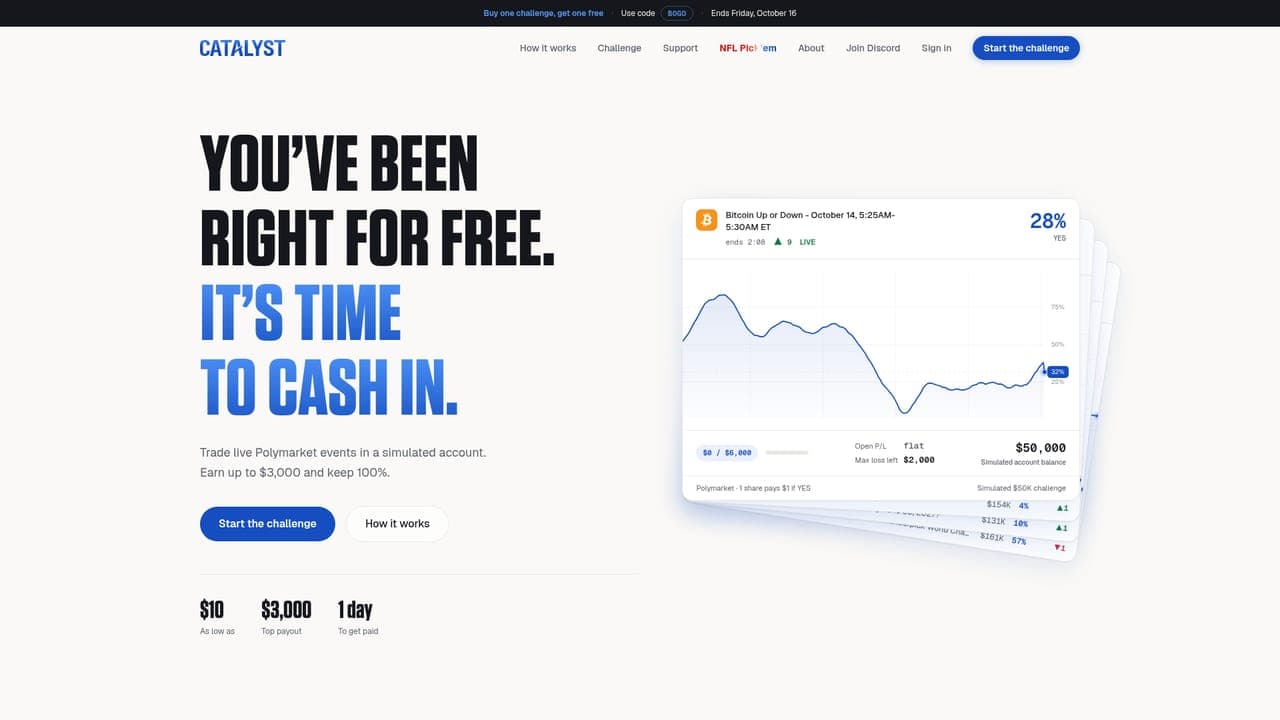
Catalyst runs the Elite Challenge, where traders trade live prediction-market events in a simulated account and earn a payout if they pass. A week after joining Vibiz it had its first Meta ad live, and in 13 days it launched 103 ads in 3 campaigns. They drew 1,206 clicks at $1.56 each, and the cost per Meta result fell 70% from the first two weeks to the last two.
A static ad puts one message and one visual in a single image. Give the AI ad maker a product, a buyer, a reason to care and a next step. Your website supplies the brand context; the brief tells it what this particular ad should sell.
TheTailClawShop, a pet shop that uses Vibiz, sells a rabbit harness. A starting brief for it could look like this:
Make a 4:5 static ad for the rabbit harness in my product photo, aimed at rabbit owners planning an outdoor outing. Keep the harness color, shape and hardware faithful to the reference. Use my brand colors, the headline “Ready for an outing?” and the call to action “Shop rabbit harnesses.” Keep the product clearly visible. Do not add a discount or product claim that I have not supplied.
Check the result at phone size: can you recognize the product, read the headline and understand what to do next? Compare the product against the source photo before approving it. If only the background or wording needs work, describe that edit and keep the rest of the brief fixed; TheTailClawShop's edit below shows this kind of targeted change.
One hero product, one message and one call to action
Several features or steps
Carousel
A distinct point for each slide, with a consistent visual style
How the product moves or is used
Video
The action to show and the opening hook; see the AI UGC workflow
Choose the format around the explanation the buyer needs. For a first test, hold the product, offer and destination page steady while changing the headline. That makes the difference between versions easier to interpret than changing everything at once. For a full product-led brief, read the product ads guide.
Product Studio turns one flat product photo into on-model, worn and catalog shots, the kind a store would otherwise book a photoshoot for. Use them as ads on their own or as the product image inside the other ad types. One product photo can also become a short 360-degree spin video, for products whose shape is the selling point: bags, bottles, shoes and gadgets.
When an ad works, you want more like it. Describe the change in a sentence, such as a new background, another product or a different headline, and a new version comes back while the original is kept. To start from someone else's ad or a style you like instead, recreate it on your brand.
A real customer edit: they typed "delete MH letters" and got the version on the right.
Paste your website. Vibiz reads it and builds your brand kit: logo, colors, fonts, tone of voice, products and the proof in your reviews.
Pick a product and the ad types. Choose statics, video or both, or describe the ad you want in a sentence. A batch makes up to 20 variants, each with its headline, body and call to action written in.
Refine by describing the change. A line such as "make the background warmer" or "use the summer offer" returns a new version and keeps the original.
Launch and learn. Connect your Meta or Google Ads account and approve the campaign with its budget and fee in front of you. Vibiz then pauses the losers, moves budget to the winners and proposes the next batch from what worked.
How 3,015 small businesses made 51,617 ads, videos and product photos with AI from July to October 2026: who they are, what they made and how they started.
Review an ad for offer clarity, readable design, credible proof and landing-page consistency, with a worked example and a repeatable revision checklist.
Work through a practical ad test budget using order value, variable costs and target acquisition cost, then decide what your first test can tell you.
What it costs
Pro is $79 a month, or $63 a month billed yearly . Ultra is $229 a month . Every plan is paid, and there is no trial.
When Vibiz runs your ads, the budget goes from your own ad account to Meta or Google and Vibiz adds a fee on it, for example $6 a day on a $30 daily budget. The fee is shown next to the budget before you approve.
Pro has 250 ad and post generations a month and Ultra has 500. Yearly billing is 20% off, and a video uses more of the allowance than a static ad.
Yes, when they pass as native content. In Stackmatix's 2026 benchmarks across roughly 300 brands, AI-UGC ads ran 15% higher CTR and 8% lower CPA than human-creator UGC. Ads that look visibly AI-made underperform, which is why brand fidelity is the feature that matters most.
No. Vibiz has no free plan and no free trial. Plans start at $79 a month, or $63 a month billed yearly, and include video generation plus campaign launch on Meta and Google. Paste your URL and you see your brand kit and a starter creative pack before subscribing, so you know what the ads will look like for your product before paying.
Meta and Google. Vibiz launches paid campaigns on Facebook and Instagram through Meta, and on Google Ads. Instagram, Facebook, TikTok, LinkedIn and X also get organic posts from the same workspace, but paid campaigns run on Meta and Google only.
Yes. Connect your Meta or Google Ads account and Vibiz builds the campaign from your creatives: audiences, daily budget, placements and copy for up to three segments. Nothing goes live until you approve it, and the service fee on the ad budget is shown next to the budget before you do: 20% of the first $100 a day, 5% of the part up to $1,000 and 1% above that. After launch, Vibiz pauses the losers and moves budget to the winners.
Judge any AI ad generator on three things: whether it learns your brand, whether copy and creative are generated together, and whether it can launch and learn from real campaigns. Most tools do one of the three. Vibiz was built to do all three in one workspace.
ChatGPT writes usable ad copy, and that is where it stops: no on-brand creative, no sizing, no campaign launch. Vibiz generates the finished ad and ships it to your ad account. If you already work in Claude, Vibiz connects to it through MCP.

















 Trading challenges